Uganda’s Agribusiness Boom Is Hiring, Not Just Farming
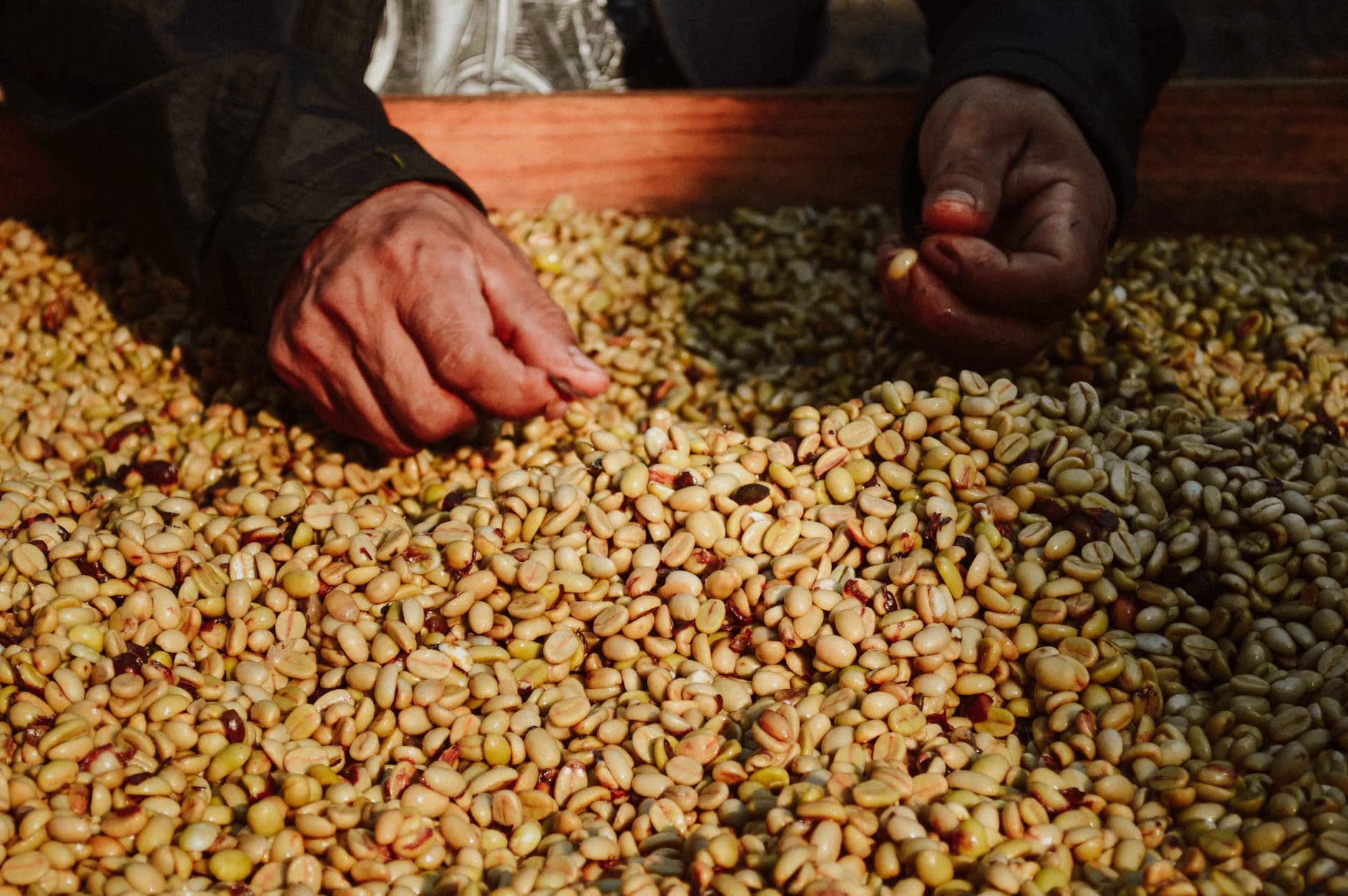
A 26-year-old quality controller at a coffee hulling plant in Bugisu checks moisture content on export lots bound for Germany. Down in Kalangala, a plantation supervisor manages forty pickers on an oil palm estate that didn’t exist fifteen years ago. Outside Entebbe, a production manager at a cut-flower farm times a rose harvest to hit a Nairobi flight before the cargo hold closes. None of these people call themselves farmers. They’re agribusiness professionals, and Uganda’s economy is quietly full of jobs like theirs.
Here’s the thing most job-seekers get wrong: they hear “agriculture” and picture a hoe and a garden. What’s actually grown fastest in the last decade is the layer sitting on top of the farm, the processing, grading, exporting, and quality-control jobs that turn a sack of coffee cherries into a container the EU will accept. That layer pays salaries, offers career ladders, and is chronically short of people who understand both the crop and the paperwork.
Why this sector deserves a second look
Agriculture and its downstream industries employ roughly two-thirds of Uganda’s working population, more than any other sector by a wide margin, according to labour force data published by the Uganda Bureau of Statistics. Most of that is smallholder farming, which isn’t what this article is about. What’s changed is the size of the formal, salaried tier built on top of it: exporters, processors, certification bodies, and the banks that finance them all now run structured HR departments hiring agronomists, food scientists, logistics coordinators, and quality auditors.
The regulatory backbone matters here too. The Ministry of Agriculture, Animal Industry and Fisheries sets the phytosanitary and inspection standards that export-facing employers have to comply with, and the Uganda Coffee Development Authority licenses and grades every exporter in the coffee chain. If you’re applying for a compliance, quality, or export-documentation role anywhere in this sector, understanding what these two bodies actually require is more useful interview prep than rehearsing generic answers.
Uganda is Africa’s largest exporter of robusta coffee, and that single crop alone supports a web of formal employers: exporters like Kyagalanyi Coffee, Kawacom Uganda, and Ibero Uganda run wet mills, dry mills, and grading laboratories that each need shift supervisors and lab technicians. Coffee is the headline crop, but it isn’t the only one carrying formal jobs. Cut-flower exporters near Entebbe, sugar estates in Jinja, edible-oil processors in Kampala, and the oil palm operation on the Kalangala islands all run factory-floor and management structures that look nothing like subsistence farming.
Where the actual jobs sit
Four sub-sectors carry most of the formal hiring. Knowing which one you’re aiming at changes what skills you need and what you should say in an interview.
- Coffee processing and export. Wet mill operators, cupping and grading technicians, warehouse and export documentation staff. Bugisu, Mount Elgon, and the central “robusta belt” around Masaka and Mubende are the hiring hubs.
- Floriculture. Uganda’s cut-flower farms, concentrated around Entebbe and Lake Victoria’s shoreline, run tight harvest-to-airport timelines and need production supervisors, pack-house staff, and cold-chain logistics coordinators. Farms like Wagagai are among the larger employers in this niche.
- Edible oils and palm. The Kalangala oil palm project and edible-oil processors such as Mukwano Group and Bidco Uganda hire plantation managers, mill technicians, and quality assurance staff at a scale most graduates underestimate.
- Sugar and beverage agro-processing. Kakira Sugar Works in Jinja and juice and beverage processors such as Britania Allied Industries run full industrial HR structures, from mechanical engineers to food safety officers.
Notice what’s missing from that list: none of these roles require you to own land. They require you to understand a supply chain, follow a quality standard, and manage people or machines under a harvest deadline.
What it actually pays
Entry-level roles, a quality control assistant at a coffee mill or a pack-house supervisor on a flower farm, typically start around UGX 700,000 to 1.2 million a month, often with housing or transport support if the site is outside Kampala. A food safety officer or agronomist with a relevant degree and two or three years in, running compliance for an export-certified facility, moves into the UGX 1.8 to 3 million range. Plantation or factory managers overseeing a full site, the people who answer to head office when a shipment gets rejected at the port, are commonly in the UGX 3.5 to 6 million band, sometimes higher at the larger estates.
That’s not banking money. But it’s steadier and less saturated than the graduate scramble for the same forty banking and telecom vacancies everyone else is chasing. Financing for this sector also runs through specific channels worth knowing: Centenary Bank grew out of a rural development mandate and still carries one of the country’s largest agricultural lending books, while dfcu Bank runs a dedicated agribusiness banking desk. Both occasionally hire agri-relationship managers who need to be equally fluent in cash flow and coffee cycles.
Need help improving your CV?
UGX 25,000We rewrite and restructure your CV into a sharp, recruiter-ready document — fully editable and delivered in 3-5 hours.
See how it worksThe certifications and skills that actually move the needle
A general agriculture degree from Makerere or Gulu University gets you in the door. What gets you promoted is narrower and more technical:
- Food safety systems. HACCP and ISO 22000 knowledge is non-negotiable for anyone touching an export-certified processing line. Employers assume you’ll need training on the job, but candidates who arrive with even a short course in food safety management skip a step.
- Export compliance. Understanding EU and regional phytosanitary standards, and the documentation that proves compliance, is a skill exporters struggle to hire for locally.
- Cold-chain and logistics basics. Floriculture and dairy processors both live and die by how well perishable product moves from field to airport or shelf.
- Basic agronomy paired with data literacy. Farms increasingly track yield, moisture, and rejection rates in spreadsheets or simple software. Someone who can read that data and act on it stands out fast.
The five-year outlook
The government’s push for value addition, processing raw coffee into export-grade or even roasted product locally rather than shipping green beans, is the single biggest structural tailwind in this sector. Every step of processing that moves from a foreign buyer’s warehouse to a Ugandan facility is a new set of jobs: roasting, packaging, quality certification, brand management. The East African Community’s regional market also gives Ugandan agro-processors a customer base beyond the traditional European export buyer, which means more mid-sized processors building out formal operations rather than staying informal.
None of this means guaranteed growth everywhere. Smaller, undercapitalised processors will keep struggling with unreliable power and financing. The jobs are concentrating at the larger, better-capitalised players, the Kyagalanyis and Mukwanos of the sector, not spreading evenly across every small mill.
How to actually break in
Don’t start by scrolling job boards for “agribusiness” as a keyword; most of these vacancies get posted under the specific employer’s name or through agricultural sector recruitment drives, not generic listings. Instead:
- Identify three or four processors or exporters in the sub-sector that interests you and check their websites and LinkedIn pages directly for openings, since many don’t advertise widely.
- If you’re near a harvest region, Bugisu for coffee, the Entebbe corridor for flowers, Jinja for sugar, visit during peak season and ask about seasonal or casual roles. Many quality control and supervisory staff started as seasonal hires who were kept on.
- Get one credential that signals seriousness fast: a short food safety or HACCP course costs far less than a full postgraduate qualification and tells an employer you understand the compliance side of the job.
- Talk to a recruitment agency that specialises in agriculture and manufacturing placements rather than general office roles; several operate in Kampala and work directly with processors on recurring hiring needs.
The seasonal trap, and how to avoid it
One honest warning: a lot of agribusiness hiring is seasonal, tied to harvest windows, and employers know graduates often don’t realise this until they’ve been let go in the off-season. Coffee milling ramps up around the main harvest between October and February in most robusta zones; flower farms run flat out ahead of Valentine’s and Mother’s Day exports. That’s not a reason to avoid the sector, but it is a reason to ask directly in an interview whether a role is permanent, seasonal, or contract-renewable, and to negotiate accordingly. The candidates who get converted from seasonal to permanent staff are almost always the ones who showed up reliably during the pressure weeks and asked good questions about the process, not just the ones who worked hardest with a hoe.
For a broader read on which sectors are paying what right now, our Uganda salary guide by industry is worth a look before you negotiate anything. If you’re weighing agribusiness against a tech career instead, we’ve also covered who’s hiring in Uganda’s tech sector in detail. And if cold-calling processors feels daunting, our guide to working with Uganda’s recruitment agencies walks through how to get an agency working the search for you.
Agribusiness won’t headline a graduate career fair. But for someone willing to learn a supply chain instead of chasing the same overcrowded banking vacancy as everyone else, it’s one of the more underrated paths to a stable, promotable job in this economy. Browse current openings on the Kampala Index jobs board, and check our career tips hub for more sector breakdowns like this one.