5 Artists Who Built Uganda’s Hip-Hop and Lugaflow Scene
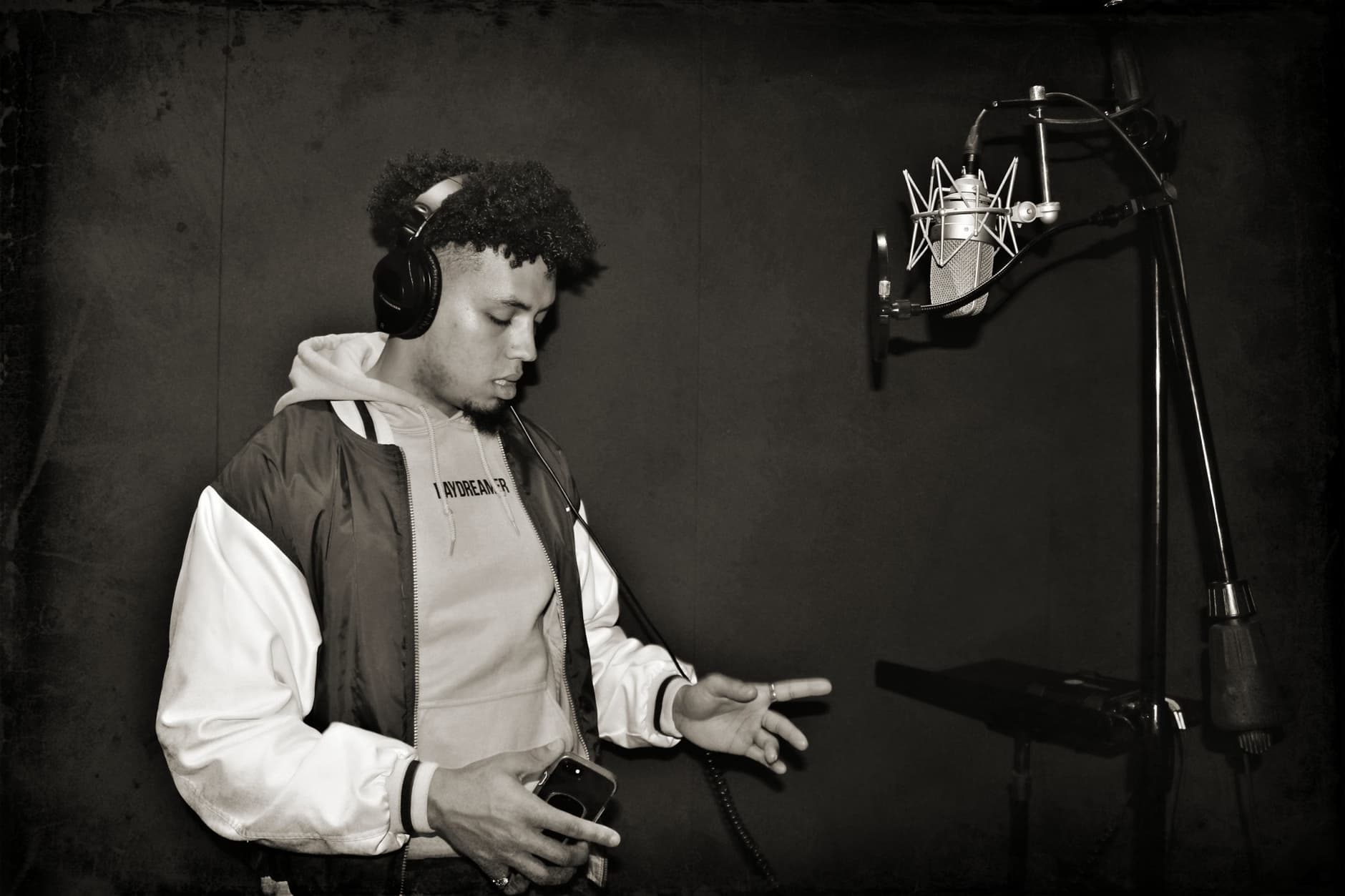
In 2008, a documentary crew followed a Ugandan rapper named Babaluku from his early performing days in Kampala to festival stages in the United States. They called it Diamonds in the Rough: A Ugandan Hip-hop Revolution. The “rough” part was honest. The “revolution” part took a few more years to prove itself right.
Uganda’s music conversation defaults to Afrobeats streaming numbers, Kidandali nostalgia, and whoever is currently dominating the YouTube trending chart. The hip-hop scene that has been building in parallel gets less of the credit it is owed. The five artists on this list are the reason Lugaflow exists as a named genre with a documented history, an audience, and a next generation of practitioners. They did not inherit a scene. They built one, without a label infrastructure behind them and without a moment when the broader industry signalled it was ready for rap in Luganda.
Five entries, ranked by their specific, verifiable contribution to building the scene.
#5. Fik Fameica: The MC Who Kept Hip-Hop in the Mainstream Mix
Fik Fameica, also known as Fresh Bwoy and King Kong, is a Ugandan rapper and songwriter who records across Hip-Hop, Afrobeats, Afropop, and dancehall. That range matters in Uganda’s music market, where playlists at any given club or radio station fold multiple genres into a single two-hour block and artists who operate only inside one sound often find their reach limited by it.
What Fik Fameica represents on this list is not the founding moment of Ugandan hip-hop but its sustained commercial presence. The rappers above him built the genre infrastructure and proved there was an audience for Luganda-language rap. He is the evidence that the audience held and that a career in Ugandan hip-hop can run across multiple genre conversations simultaneously. That kind of adaptability is harder than it looks. The artists who pioneered Lugaflow in the mid-2000s were making a bet on the genre’s future viability. Fik Fameica’s multi-format career is part of what that bet paid out as.
He also demonstrates something specific about how hip-hop travels in the Ugandan market. It does not travel by staying pure. It travels by being confident enough in its own identity to move through Afropop and dancehall territory without losing the MC sensibility at its core. His discography is a working model of that approach.
#4. Enygma: Wordplay, a Mask, and a Decade of Holding the Line
I-Am Enygma is a Ugandan rapper, record producer, executive producer and entrepreneur known specifically for his wordplay-heavy rhymes and for always wearing a mask during performances to conceal his identity. In December 2010, his single “Hustler’s Night” featuring The Mith, Keko, and Navio became a runaway success and announced him to Uganda’s hip-hop audience. He followed it with “F.U.M.E.M.E.” and “Ten Reasons” in 2011, two further hits that confirmed the breakthrough was not a fluke. He is also one third of the occasional rap group Klarity, alongside The Mith and Lyrikal Proof.
The mask deserves its own paragraph. In an industry where personal branding relies heavily on image, face, and narrative, choosing to perform permanently masked is a specific artistic argument: that the craft itself should be sufficient. Enygma was making that argument in 2010, before the streaming era made the parasocial side of music celebrity even more central to an artist’s commercial viability. The argument held. His longevity inside Uganda’s hip-hop scene reflects an audience that followed the work.
The wordplay emphasis places him in a particular tradition within Ugandan hip-hop, the MC as verbal craftsman rather than lifestyle performer. That tradition runs through the Lugaflow scene from its earliest days. Enygma occupied a specific corner of it and built a career there over more than a decade. For a scene that has moved fast and seen reinventions come and go, that staying power is significant. He also conducts private business largely outside entertainment, a combination of careers that appears across several of Uganda’s most durable hip-hop figures.
#3. Mun G: Baboon Forest to Kunta Kinte
Mungi Emmanuel Matovu, better known as Mun G or Mun Genius, is a Ugandan rapper and songwriter known for his contributions to Lugaflow and hip-hop music in Uganda. He rose to prominence in the early 2010s as part of the Baboon Forest Entertainment collective founded by GNL Zamba, then went on to establish his own independent musical brand under the name Kunta Kinte.
That trajectory tells you something precise about how the Lugaflow scene developed. Baboon Forest Entertainment was one of the primary incubators for Ugandan rap in the early 2010s. Being associated with it meant working inside a collective that had a shared production identity, an audience already primed for Luganda-language rap, and a founding figure in GNL Zamba who had already done the work of getting the genre onto mainstream radio. Coming up inside that structure gave Mun G a base. What he did with it mattered more than the base itself.
The decision to establish Kunta Kinte as his own brand rather than remain permanently within the Baboon Forest identity is the most telling detail in his story. It is either a statement about creative independence, or evidence that the Lugaflow scene had matured enough by that point to support individual brands standing on their own outside the founding collective. Both readings are probably right simultaneously. The scene that GNL Zamba helped build had grown large enough that artists who came through it could leave and build something new without abandoning what they had learned, and Mun G is one of the cleaner examples of that maturation.
Need help improving your CV?
UGX 10,000We rewrite and restructure your CV into a sharp, recruiter-ready document — fully editable and delivered in 3-5 hours.
See how it works#2. Babaluku: Documentary Evidence and a Foundation Running in the Background
Babaluku, whose full name is Silas Babaluku Balabyekkubo, is a Ugandan rapper, musician, producer, community youth activist and social entrepreneur. He raps in Luganda, is a member of the Bataka Squad, and is named as one of the pioneers of Lugaflow, the rap-in-Luganda style that gave Uganda’s hip-hop scene its distinct identity. He is also the founder of the Bavubuka Foundation, which equips young people with leadership skills.
The 2008 documentary Diamonds in the Rough: A Ugandan Hip-hop Revolution covered his crew’s journey from their early days performing in Uganda to festival stages in the United States. That film is an important piece of evidence for two reasons. First, it confirms that Ugandan hip-hop was considered significant enough by 2008 to document on camera. Second, the fact that Babaluku’s crew was performing at festivals in the United States means the international reach of the scene was already real at that point, not aspirational.
The Bavubuka Foundation is the second major dimension of his public career, and it belongs on the same shelf as the music. It follows a pattern visible across several of Uganda’s most serious hip-hop figures: treating the platform that the craft builds as an opportunity to do something structural for the next generation rather than simply as a way to sustain a recording career. Babaluku converted his credibility as a Lugaflow pioneer into an institution focused on youth leadership. The music gave him the audience. The foundation is what he chose to do with it.
#1. GNL Zamba: The Man Who Put Lugaflow on the Radio
GNL Zamba, born Ernest Nsimbitulye Lupiiyazitta Zamba, is a Ugandan hip-hop artist who is specifically credited with bringing rap and Lugaflow to mainstream radio and other media in Uganda. He is also the founder of Baboon Forest Entertainment, the collective that became one of the key incubators for Uganda’s next generation of rappers, including Mun G.
That credit, bringing a genre to mainstream radio, describes a specific act of infrastructure-building that is distinct from simply being a skilled performer. Getting Lugaflow onto mainstream Ugandan radio in the mid-2000s required pushing against format defaults that favoured Afropop, Kidandali, and dancehall. It required making the case, in music, that Luganda-language rap had a large enough audience to justify consistent airtime. It required being compelling enough that programmers who had never considered it before started booking it. GNL Zamba made that argument and won it. The genre that followed, the scene that developed around it, the artists like Mun G who came through Baboon Forest Entertainment and went on to build their own brands: all of it runs back to someone doing the foundational work of proving the genre had a place in Uganda’s mainstream media landscape.
Founding Baboon Forest Entertainment extends his impact well beyond his own discography. A collective is infrastructure. It means building production, developing artists who are not yourself, and creating a shared identity that outlasts any single release. The fact that Mun G came through that collective, absorbed its approach to Lugaflow, and went on to establish Kunta Kinte is a measure of how durable that infrastructure turned out to be. GNL Zamba did not only make records. He built the room where Uganda’s hip-hop generation learned what it was doing.
It is worth sitting with what that combination represents. Mainstream radio credit. A collective that incubated multiple careers. A genre that now has its own documented history, its own audience, and its own name. The Lugaflow scene has many contributors. It has one figure who is documented as the person who took it to the media infrastructure that turned a scene into a genre. That is GNL Zamba’s specific place in Uganda’s music history, and it is the reason no honest accounting of Ugandan hip-hop can leave him off the top of a list like this one.
These five artists cover different eras and different approaches: Babaluku as the documented co-pioneer performing internationally in 2008, GNL Zamba as the figure credited with the mainstream breakthrough, Mun G as the early-2010s product of the collective GNL Zamba built, Enygma as the wordplay-first MC who wore a mask and held an audience for over a decade, and Fik Fameica as the current MC keeping hip-hop active and commercially present in Uganda’s multi-genre market. They did not all know each other well. They did not all move in the same circles. What they share is a documented contribution to a genre that Uganda’s music industry now takes for granted, and shouldn’t.
For the genre context behind the careers on this list, Kidandali to Lugaflow: Uganda’s 5 Music Genres Explained maps how Lugaflow fits inside the broader landscape of Ugandan music. For artists who built careers that moved well beyond their first discipline, 8 Ugandan Musicians Who Built More Than a Music Career covers eight figures who converted their platforms into second careers in politics, religion, and humanitarian work. And for the broader story of how Ugandan entertainers have earned lasting audiences, 7 Ugandan Comedians Who Built Careers Far Beyond Stand-Up looks at the same pattern across the comedy side of the industry. More profiles across Ugandan entertainment, sport, and public life at the Wolokoso hub.