The Real Cost of Living in Kampala: A Monthly Budget
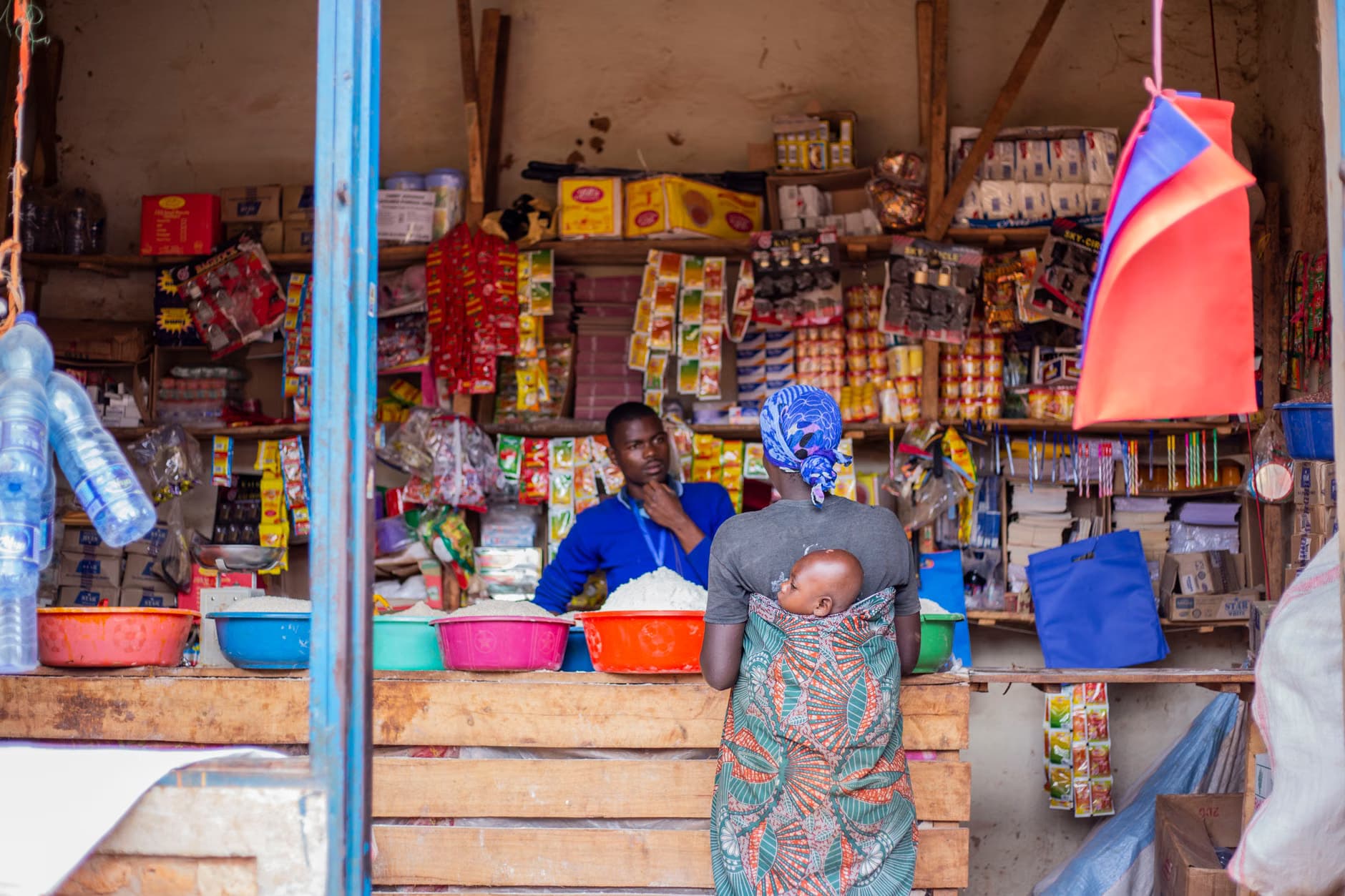
A single room in Kyebando. A self-contained one-bedroom in Ntinda. A two-bedroom behind a gate in Naguru. Three people, three very different Kampala lives, and the gap between what they pay each month is wider than most newcomers expect. The cost of living in Kampala isn’t one number. It’s a set of choices about where you sleep, how you move, and how much convenience you’re willing to pay for, and most guides online skip straight past that to a single misleading average.
So let’s build the real picture, line by line, with the ranges a Kampala resident actually sees on their bills and receipts, not a tourist’s estimate.
What the cost of living in Kampala actually breaks down to
Six categories drive almost everyone’s monthly spend here: rent, electricity and water, transport, food, data, and whatever upfront costs hit you in your first month. Get a handle on those six and you can build a realistic budget for your own situation, whatever your income.
Rent: the line item that decides everything else
Rent is where your Kampala budget is won or lost, and it varies more by neighbourhood than almost any other city expense in East Africa. Listing data from Uganda Property Centre puts the average one-bedroom apartment in the Kampala Central Region at around UGX 1,000,000 a month as of late 2025, with the cheapest listed units closer to UGX 600,000. That average hides a lot, though.
- Budget suburbs (Kyebando, Kireka, Namugongo’s outer stretches, parts of Bweyogerere): a self-contained single room or studio typically runs UGX 250,000 to 500,000.
- Mid-tier areas (Ntinda, Bukoto, Kyanja, Najjera, Kiwatule): a decent one-bedroom apartment generally lands between UGX 700,000 and 1,300,000, depending on security, parking and finishes.
- Upscale neighbourhoods (Kololo, Naguru, Lubowa, Muyenga’s hilltop stretch): one- and two-bedroom serviced apartments commonly start around UGX 1,500,000 and climb well past 3,000,000 for anything gated with amenities.
Three things trip up first-time renters. First, the asking price on a listing and what a landlord will actually accept are not always the same figure, especially outside the most competitive estates; it’s worth asking what similar units on the same street actually rent for before you commit to the number on the gate. Second, landlords in Kampala routinely ask for two to six months of rent upfront, and if you’re using an agent, budget an extra one to one and a half months of rent as their fee on top. Third, “self-contained” is doing real work in Ugandan listings; it means your own bathroom and kitchen space, and its absence from a listing is the difference between a studio and a shared compound with a communal tap.
Electricity and water: small print, real money
Uganda’s power distribution changed hands in 2025. Umeme’s 20-year concession ended on 31 March 2025, and Uganda Electricity Distribution Company Limited (UEDCL) now runs the distribution network, while the Electricity Regulatory Authority still sets the quarterly tariff. For the second quarter of 2026, the lifeline rate for your first 15 units of electricity each month sits at UGX 250 per kilowatt-hour, jumping to about UGX 756 per unit for consumption between 16 and 80 units. A household running a fridge, a few lights, a TV and phone charging, but not much else, typically lands in the 40 to 80 unit range, which puts a realistic monthly power bill somewhere between UGX 35,000 and 70,000 before the service charge and 18% VAT that get added on top. Run an air conditioner or an electric cooker regularly and that number climbs fast.
Water is the quieter cost. The National Water and Sewerage Corporation bills domestic customers at roughly UGX 3,700 to 4,200 per cubic metre, a range reported across late-2025 billing data. A single person living modestly might use 3 to 5 cubic metres a month, putting water at around UGX 12,000 to 21,000. A family doing laundry by hand and cooking daily will see that climb toward UGX 30,000 to 50,000. Both utilities carry a minimum standing or service charge even in a month you barely use either, so don’t budget zero just because you’re rarely home.
Getting around: the cost you pay every single day
Transport is the expense that quietly adds up because you pay it twice a day, every working day. A short boda boda hop of a kilometre or two within your neighbourhood generally costs UGX 2,000 to 8,000 depending on distance, time of day and how well you negotiate; fuel price pressure through 2026 has pushed boda and taxi operators to raise fares on shorter trips specifically, so don’t be surprised if the rate has crept up since you last rode. A shared commuter taxi on a fixed route within the city typically runs UGX 1,000 to 3,000 per leg, though cross-town trips during rush hour can mean two or three legs to get anywhere.
Do the daily arithmetic and it matters: someone commuting by boda twice a day, five days a week, at a modest UGX 5,000 each way, is spending roughly UGX 200,000 a month just getting to and from work, before a single night out or weekend errand. Taxis are cheaper per trip but slower and less flexible, and most Kampala professionals end up mixing both depending on the day. Ride-hailing apps add a premium over a flagged-down boda but a layer of safety and price certainty that a lot of people, particularly women travelling at night, decide is worth paying for.
Food and data: the daily grind costs
Street food remains Kampala’s great economic equalizer. A rolex, the city’s chapati-and-egg staple, costs UGX 2,000 to 5,000 at a roadside stall. A full, filling local meal of matooke, rice, beans or meat at a modest eatery generally falls between UGX 8,000 and 25,000, while cooking at home from a local market keeps per-meal costs lower still, provided you’re buying in the markets rather than the convenience shops that dot every estate.
Data is a real monthly line item, not an afterthought, for anyone job-hunting, working remotely or running a side hustle from their phone. MTN Uganda’s August 2026 bundle refresh now gives roughly 2GB for UGX 6,500, 45GB for UGX 50,000 and 100GB for UGX 100,000, which works out to somewhere between UGX 850 and 1,100 per gigabyte on the larger monthly bundles, and considerably more if you’re buying small top-ups daily instead of one monthly plan. Airtel’s pricing moves similarly, though published 2026 figures are harder to pin down; checking both networks’ current offers before committing to a monthly bundle is worth the ten minutes it takes.
Three honest monthly budgets
These are planning estimates for November 2026, not a guarantee of what you’ll pay. They assume a single adult in each case, living alone or with one flatmate, and exclude anything you might already know about your own situation, like a company-provided car or a rent-free family home. Treat the totals as a starting point for your own version, not a target to hit exactly.
| Expense | Shoestring (shared room, budget suburb) | Mid-range (one-bedroom, Ntinda/Bukoto area) | Comfortable (one-bedroom, Kololo/Naguru area) |
|---|---|---|---|
| Rent | UGX 250,000 | UGX 900,000 | UGX 2,000,000 |
| Electricity | UGX 25,000 | UGX 55,000 | UGX 120,000 |
| Water | UGX 12,000 | UGX 25,000 | UGX 40,000 |
| Transport | UGX 120,000 | UGX 200,000 | UGX 300,000 (part fuel, part ride-hailing) |
| Food | UGX 250,000 | UGX 450,000 | UGX 750,000 |
| Data and airtime | UGX 30,000 | UGX 60,000 | UGX 100,000 |
| Approximate monthly total | UGX 687,000 | UGX 1,690,000 | UGX 3,310,000 |
Notice what’s missing from every column: savings, NSSF, PAYE, medical costs, school fees, family remittances upcountry and any debt repayment. For a salaried employee, those come off the top of a gross salary before a single shilling reaches the categories above, which is exactly why a gross offer that looks generous on paper can still feel tight by the third week of the month. If you want to see precisely how PAYE and NSSF shrink a Ugandan payslip before you even get to rent, we’ve broken that down separately in why your payslip pays less than your offer letter says.
What actually moves these numbers
Location is the single biggest lever. Moving ten minutes further from the city centre can cut rent by a third while adding only a modest transport cost in return, which is why so many young professionals cluster in Kyanja, Najjera and Kiwatule rather than paying Kololo prices for a shorter commute. Sharing a two-bedroom unit between two or three people routinely halves the per-person housing cost without halving the quality of the space, and it’s the single most common way Kampala professionals on an entry-level salary make the numbers work at all.
Cooking at home instead of eating out daily is the second-biggest lever, and it compounds: a household that cooks six days a week and eats out once can spend less on food in a month than one eating out every lunch and dinner, even accounting for market trips and gas or charcoal. Buying a monthly data bundle instead of daily top-ups is a smaller saving in absolute terms but one of the easiest to act on immediately, since it’s purely a switch in how you pay, not a change in how much data you use.
If you’re weighing a specific job offer against these numbers, Uganda currently has no enforced national minimum wage; the only statutory figure dates to 1984 and is effectively a few hundred shillings a day once adjusted, and a proposed floor of UGX 300,000 to 400,000 a month has not yet been formally gazetted. Our full breakdown of Uganda’s minimum wage rules covers what that gap actually means for job-seekers. This isn’t financial advice, just the arithmetic; run your own numbers against your own offer before you decide anything.
Quick answers
Is Kampala expensive compared to the rest of Uganda? Yes, noticeably. Rent and services in Kampala run well above upcountry towns, and the Uganda Bureau of Statistics has specifically flagged Kampala’s high-income households as facing the sharpest inflation of any group it tracks nationally, at 4.9% for the year to August 2026.
Can I live in Kampala on UGX 1,000,000 a month? It’s tight but possible if you share accommodation in a mid-tier suburb, cook most meals at home, and keep transport to shared taxis and the occasional boda. It’s considerably harder alone in a self-contained unit.
What’s the biggest hidden cost newcomers forget? The upfront move-in cost. Between a rent deposit of several months, an agent fee, and basic furnishings for an empty apartment, your first month in Kampala can easily cost three to four times your eventual monthly budget.
Does a company car or housing allowance change this math a lot? Significantly. Removing rent or transport from your personal budget is often worth more than an equivalent cash increase, because you’d otherwise be paying for both out of already-taxed income.
Use the Kampala Index salary calculator to see what a specific offer actually nets you against these numbers, and the mobile money charges tool if you’re moving rent or school fees through MoMo each month. And if you’re still weighing where that salary needs to come from, browse what’s open right now on the Kampala Index jobs board.